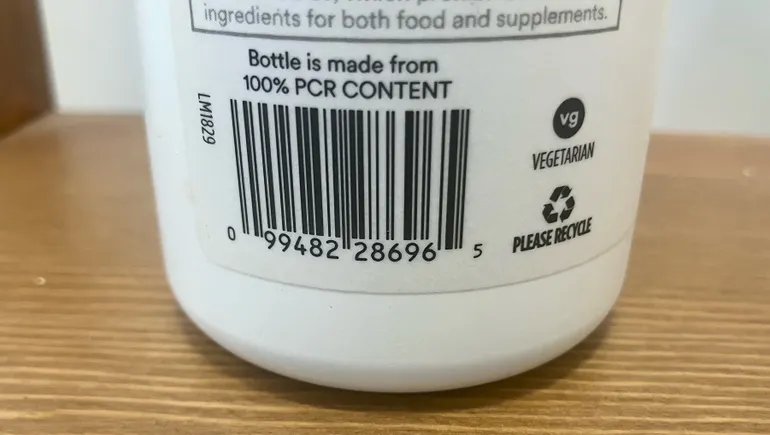
Sustainability
Climate, sourcing, circularity, waste, labour and the transition to more resilient consumer industries.
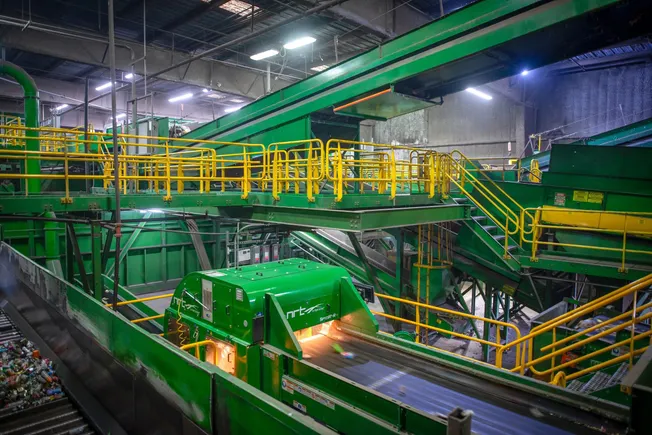
Crown Holdings shares climate transition plan
The report details further scope 3 emissions reductions strategies, improved data collection efforts and the cans specialist’s approach to managing risk.

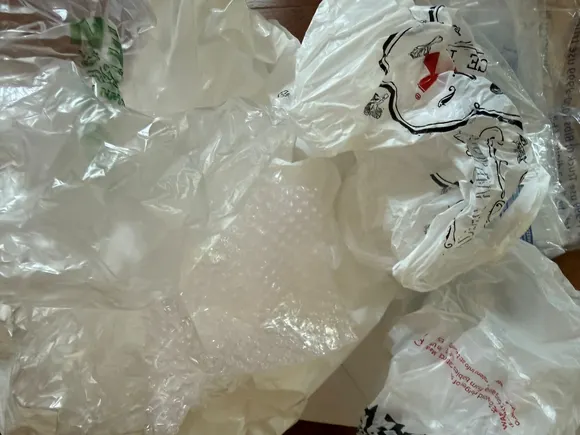
Film recycling hits a pivotal moment
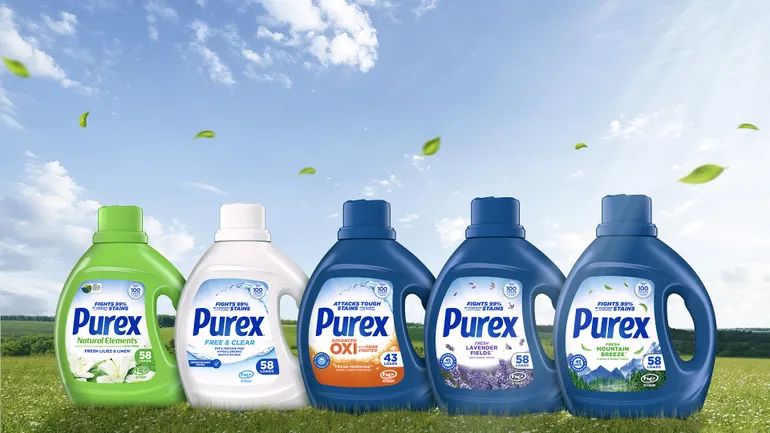
The next 12 months will be crucial for proving viability of flexible film recycling initiatives, said speakers from GDB Circular, General Mills and P&G. Recent pilots already have helped move at least 1.5 million pounds to end markets.
California EPR program budget expected to exceed $9B in next 5 years
Circular Action Alliance hit a key milestone Monday, submitting its draft program plan with new details on SB 54 implementation. It proposes pushing back a certain source reduction requirement following regulatory delays.
Smurfit Westrock introduces 2030 sustainability goals
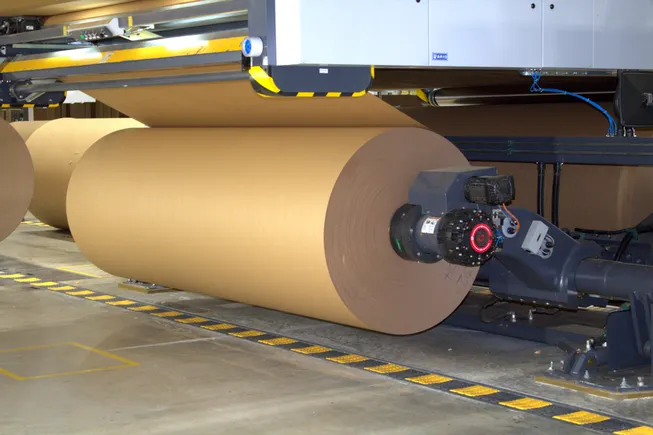
In its first sustainability report covering the integrated company, Smurfit Westrock laid out targets for reducing greenhouse gas emissions, water use and waste. It also teased that more goals could be coming.
More litigation expected over California recycling regulations
Packaging EPR law SB 54 could spark lawsuits from environmental groups and businesses alike. Meanwhile, certain industry groups are seeking a preliminary injunction with recyclability labeling law SB 343.

At long last, California publishes SB 54 EPR rules
The milestone gives way to next compliance steps for the sweeping extended producer responsibility and source reduction law. Circular Action Alliance also published estimated fees for obligated producers.

5 predictions as US packaging EPR progresses
The last 18 months “feels sort of like 18 years,” said Circular Action Alliance’s CEO. Political, PRO and packaging leaders discussed where EPR is headed, including implications for data and design and how to measure success.

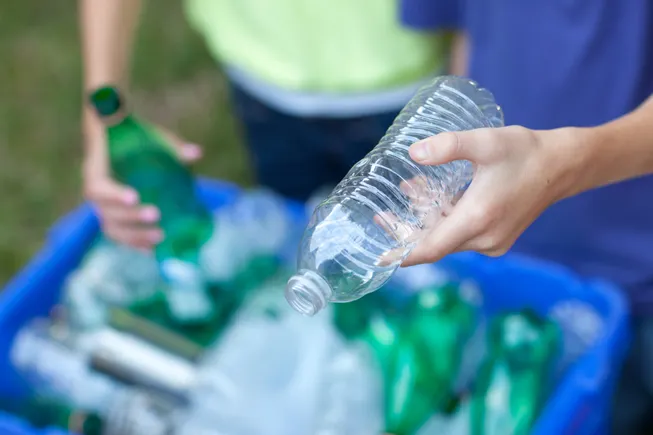
Breaking the ‘boom-and-bust cycle’ in domestic recycled plastic markets
Ensuring PCR use in more challenging packaging like food-grade pouches can be “way down the road,” said APR Chief Policy Officer Kate Bailey. For now, there’s plenty to do with secondary products and bolstering good policy.

Why Hershey is making big changes to its sustainability strategy
While the Reese’s maker has “made tremendous progress,” there is still “a ton of work to do” as consumers pay more attention to what they eat, a top executive said.

Colorado mass balance debate underscores industry faultlines
The American Chemistry Council withdrew a lawsuit, but the larger question on recycled content verification remains.
Henkel announces 2030 sustainability targets
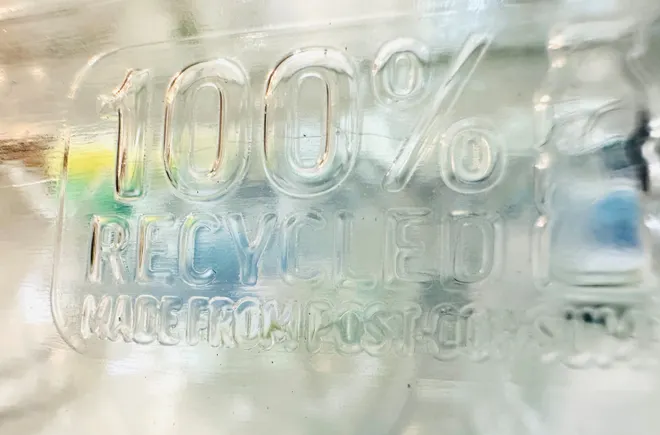
Taking lessons from 2025, the CPG adjusted mid-term targets for recycled plastic and design to be more “ambitious and realistic." The company is also expanding innovation in coatings.
Paper-based flexibles could reduce pollution from small-format plastics: EMF
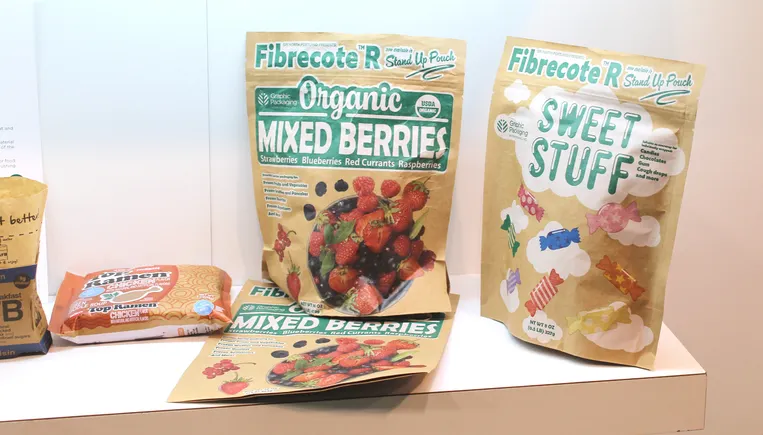
Fiber-based flexibles do “not yet exist at the scale, cost, and performance needed” to solve the flexible plastic pollution problem, according to the Ellen MacArthur Foundation’s newly released guide.
A ‘catalyst for change’: How Waiākea is pioneering sustainable packaging in bottled water
The Hawaiʻi-based brand said it is the first company in the world to print labels with algae-based inks, adding its climate values help it stand out.

Get louder about sustainability progress, Crown leader says
Packaging sustainability efforts aren’t failing, but more can be done, said Crown’s VP of global sustainability. She described navigating the challenge of absolute targets and tailoring sustainability work to different geographies.
Crown Holdings to spend $550M in 2026 to support growth, including international expansion
The canmaker does not intend to add capacity in North America in the next couple years. But the company is carving out capital spending to support capacity expansions and facility upgrades in Brazil, Greece and Spain.
Plastic scrap imports add to ‘perfect storm’ hitting domestic PCR
Against a backdrop of rising imports, pricing competition and tariff confusion, an unprecedented number of domestic PET reclaimers closed last year. In 2026, expect more emphasis on policy solutions and local supply chains.