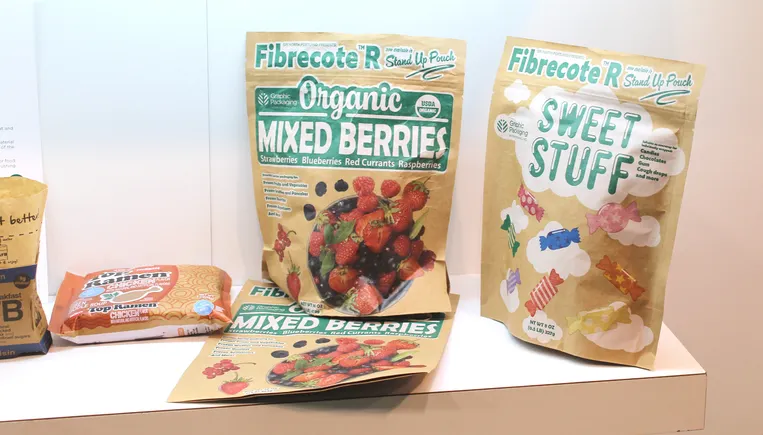
Fiber-based flexibles do “not yet exist at the scale, cost, and performance needed” to solve the flexible plastic pollution problem, according to the Ellen MacArthur Foundation’s newly released guide.
What happened
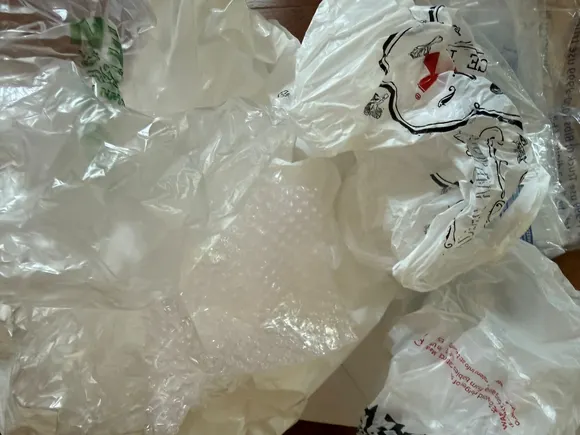
Paper-based flexible packaging could help to tackle the problem of plastic waste and pollution in markets where small-format plastic flexibles — those sized A5 or smaller, such as sachets, wrappers, pouches and small pillow bags — have high “leakage rates,” or instances of ending up in the environment, according to a report the Ellen MacArthur Foundation released today.
The report, which serves as a guide for how fiber-based flexibles could help reduce plastic pollution, notes the importance of putting “guardrails” in place so paper solutions deliver environmental benefits without causing unintended consequences that risk “replacing one set of problems with another.”
Why it matters
So far, these flexible fiber innovations do “not yet exist at the scale, cost, and performance needed” to solve the problem, and collaboration is needed across the value chain to accelerate solutions.
The Ellen MacArthur Foundation is prominently known for its Global Commitment launched in 2018 to engage stakeholders across the plastic packaging value chain to reduce waste and pollution. Goals tied to 2025 included making plastic packaging recyclable, compostable or reusable; eliminating problematic or unnecessary plastic packaging; and increasing the amount of postconsumer recycled content used to manufacture plastic packaging.
EMF noted in its new report that flexibles, especially small-format versions, are the fastest-growing type of plastic packaging globally. They make up 80% of the plastic packaging that ends up in oceans in countries that have low concentration of formal collection and recycling systems.
This news brief is based on reporting published by Packaging Dive on 2026-03-10. The original report is linked below.
Packaging Dive
https://www.packagingdive.com/news/paper-flexibles-reduce-plastic-pollution-small-format-ellen-macarthur-foundation/814291/This independent news brief is based on the public source identified above. It is an original summary or translation, not a reproduction of the source article. Rights in source text, research, trademarks and images remain with their respective owners; images are used under the licence or permission identified in the credit. Rights holders may contact rights@goodproductasia.com with evidence of ownership. Verified concerns will be corrected, replaced or removed promptly. This report is not investment, legal, medical or purchasing advice.